

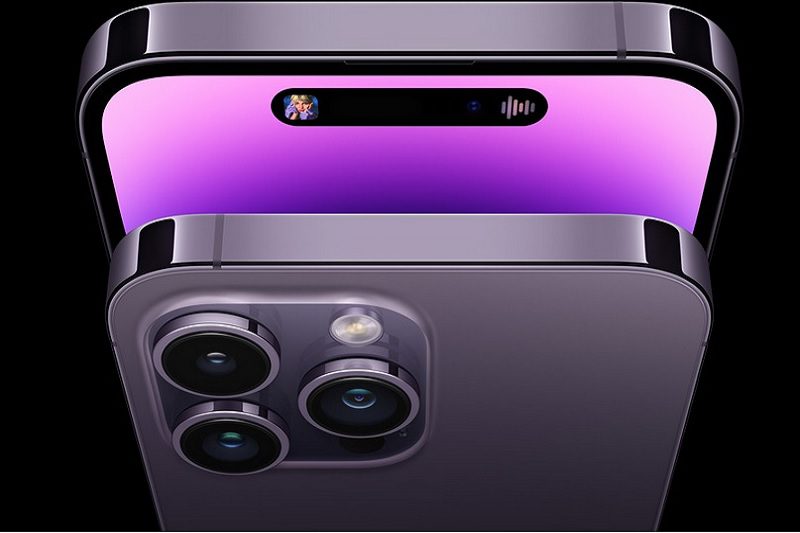
Apple explores micro-lens tech for iPhone 16 displays. Enhancing brightness, reducing power usage. In a bid to revolutionize their upcoming iPhone 16 models, Apple is contemplating the integration of cutting-edge micro-lens technology into OLED displays. The primary focus of this endeavor is to enhance brightness while concurrently mitigating power consumption.
Apple’s esteemed display suppliers, Samsung and LG, have come forth with a proposal to incorporate micro-lens arrays onto OLED panels. This proposition, although promising, poses certain challenges that must be addressed.
What is Microlens Array Technology
MicroLens Arrays technology operates through the deployment of billions of miniature lenses within the panel. This ingenious approach minimizes internal reflections and redirects light towards the screen. The end result? An augmented perception of brightness, all the while ensuring power efficiency remains uncompromised.

However, it’s worth noting that the application of MicroLens Arrays technology may lead to reduced side luminance in specific instances. This can potentially narrow the field of view on the display, in addition to inflating manufacturing costs.
Furthermore, Samsung and LG have each developed their own distinct materials for MicroLens Arrays integration. Regrettably, these materials fall short of meeting Apple’s rigorous quality standards. Consequently, Apple finds itself at a crossroads regarding the adoption of MicroLens Arrays technology.
Apple’s verdict hinges on the potential improvement of OLED material efficiency. This decision must be reached before the onset of iPhone 16 mass production, slated for the second half of 2024. Should it be feasible to sustain front-panel light output at reduced power consumption without compromising the viewing angle, MicroLens Arrays implementation may indeed become a reality.
Notably, Samsung boasts more experience with MicroLens Arrays technology in OLED panels. This is evidenced by its utilization in their Galaxy S Ultra models, as well as its contributions to Chinese mobile vendors. On the contrary, LG’s exposure to MicroLens Arrays technology remains somewhat limited, particularly in relation to smaller panels.
Looking ahead, Apple harbors aspirations of achieving large-scale production of advanced microLED displays. This strategic move aims to reduce reliance on Samsung while affording Apple greater control over supply chains for forthcoming iPhone models.